Ai Artisanship
Connecting the dots
As an educated furniture maker, I carry
a portfolio of interior and furniture projects I’m deeply proud of. Each piece reflects both the craft of making and the philosophy of working with material, form, and function keeping traditional craftsmanship alive in a contemporary context. Looking back, however, I realise that during that chapter of my career I lacked the skills and understanding of visual communication. I also lacked the time to properly document my process, and when I did, my photos were often poor lacking consistency and even the most basic principles of photography.
I rarely managed to capture the process or to visualise the finished product in its intended setting. As a result, I often struggled to communicate the value of
my work to potential clients, employers, and peers. This gap between craft and communication left much of the story untold. My objects carried meaning, but without compelling storytelling and presentation their impact was limited.
It became clear to me that the quality
of the craft alone is not enough it
must also be translated into images, narratives, and experiences that resonate with others.
How might we leverage AI to help artisans communicate and scale the value of their work while ensuring ethical and legal integrity?
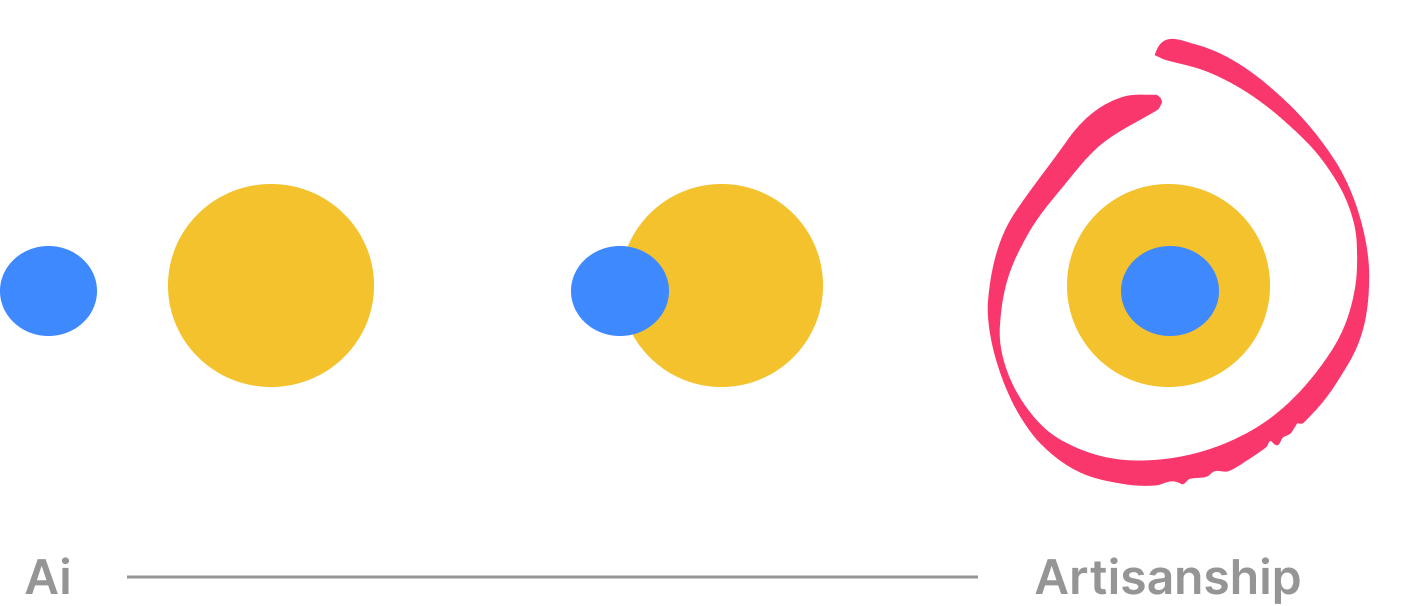
Placing an object in a scene
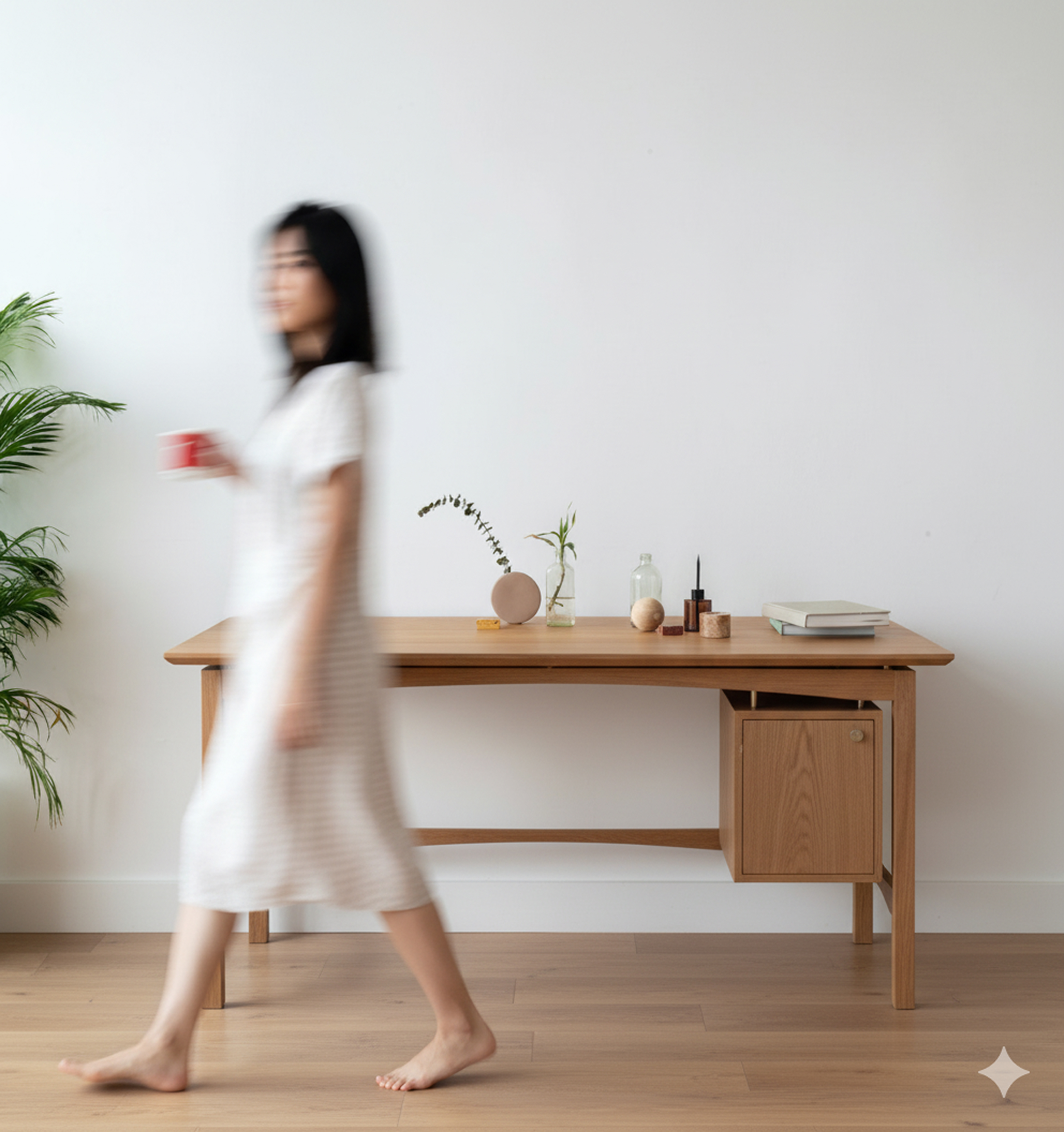
The oak desk shown below was a commission I built for a client in 2020. At the time, my limited photography skills meant I never captured quality images or documented it in its intended setting. Now, I’m exploring how AI can bring new value to the project, by visualising it more clearly and thereby communicating its story more effectively.
Reference Image 1
The interior scene
Reference Image 2
Cropped views of the commissioned desk
Outcome Prompt
Using reference image 1 (the interior setting), change only the desk. Replace it with the desk shown in reference image 2. Keep everything else in the image exactly the same, including the chair, shelving, walls, and background. Preserve the original style, lighting, shadows, and composition so the new desk looks naturally integrated into the scene. Ensure the proportions and perspective of the desk from reference image 2 are scaled correctly to fit seamlessly into reference image 1."
Different perspectives
A human touch - achieving character consistency
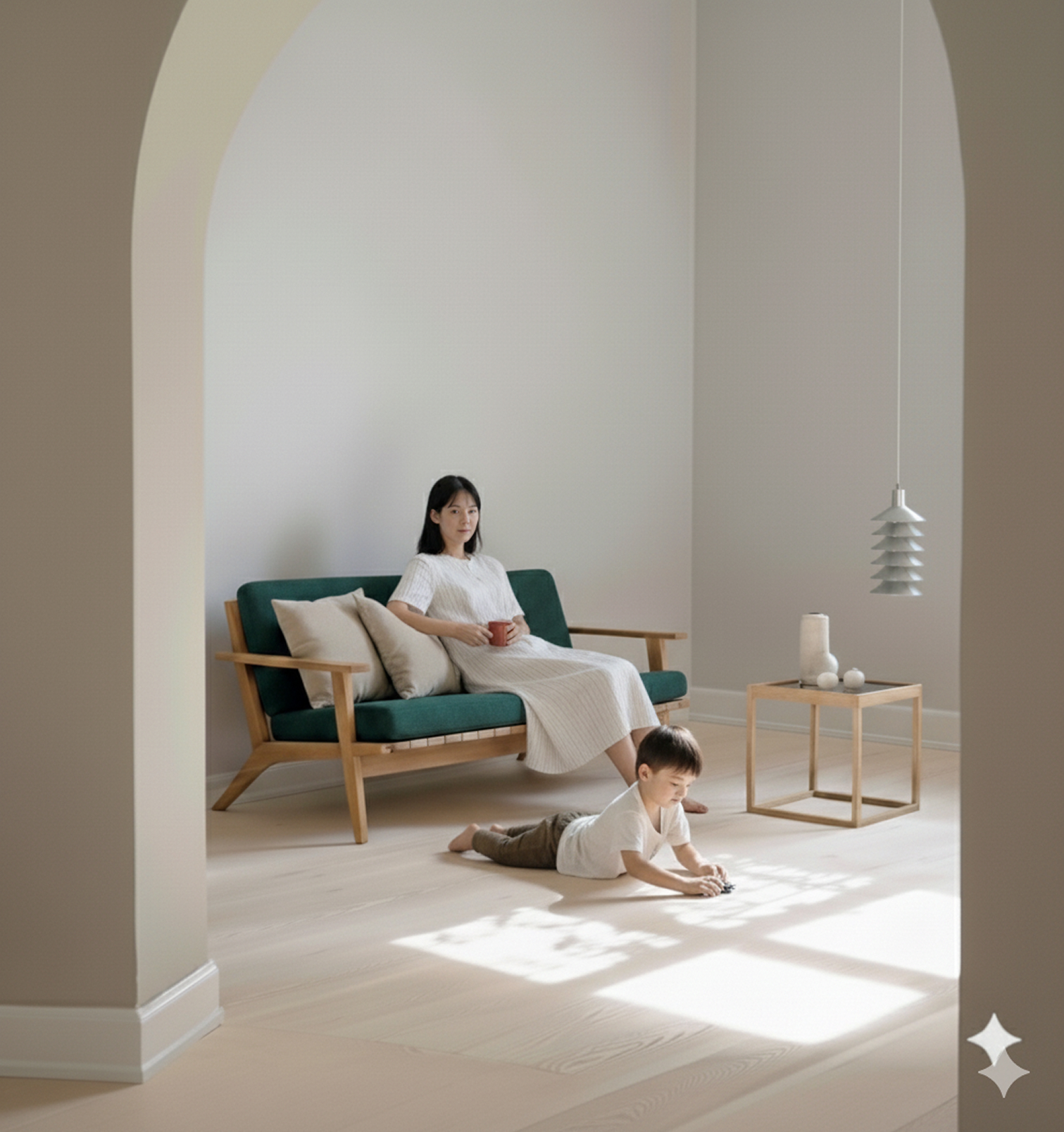
The picture below shows a custom couch I designed and built for a client in 2021. How might it look in its intended setting, and could I use visuals to better communicate that story to the client as part of my sales pitch?
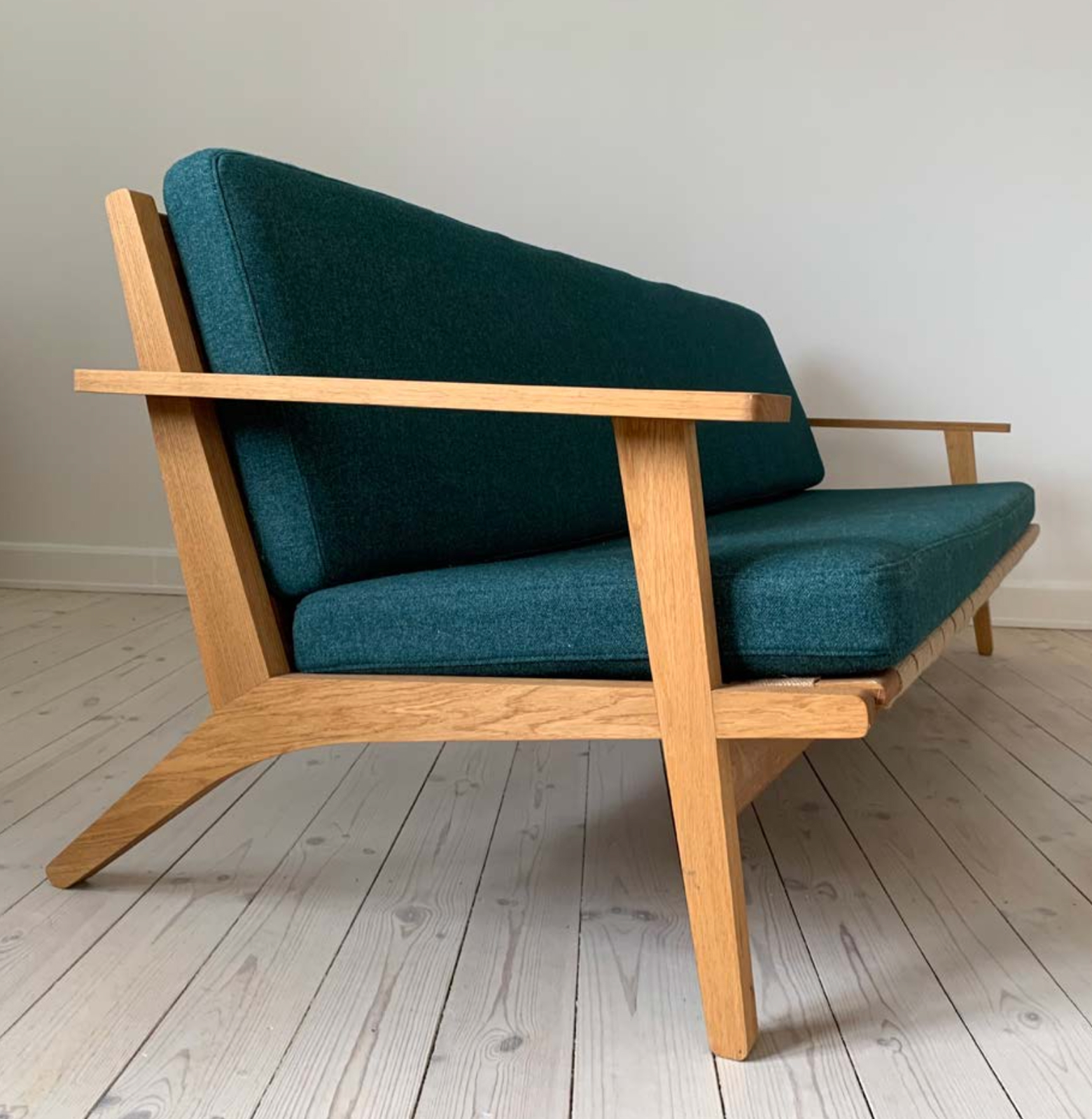
Reference Image 1
The couch
Reference Image 2
The interior scene
Reference Image 3
The character
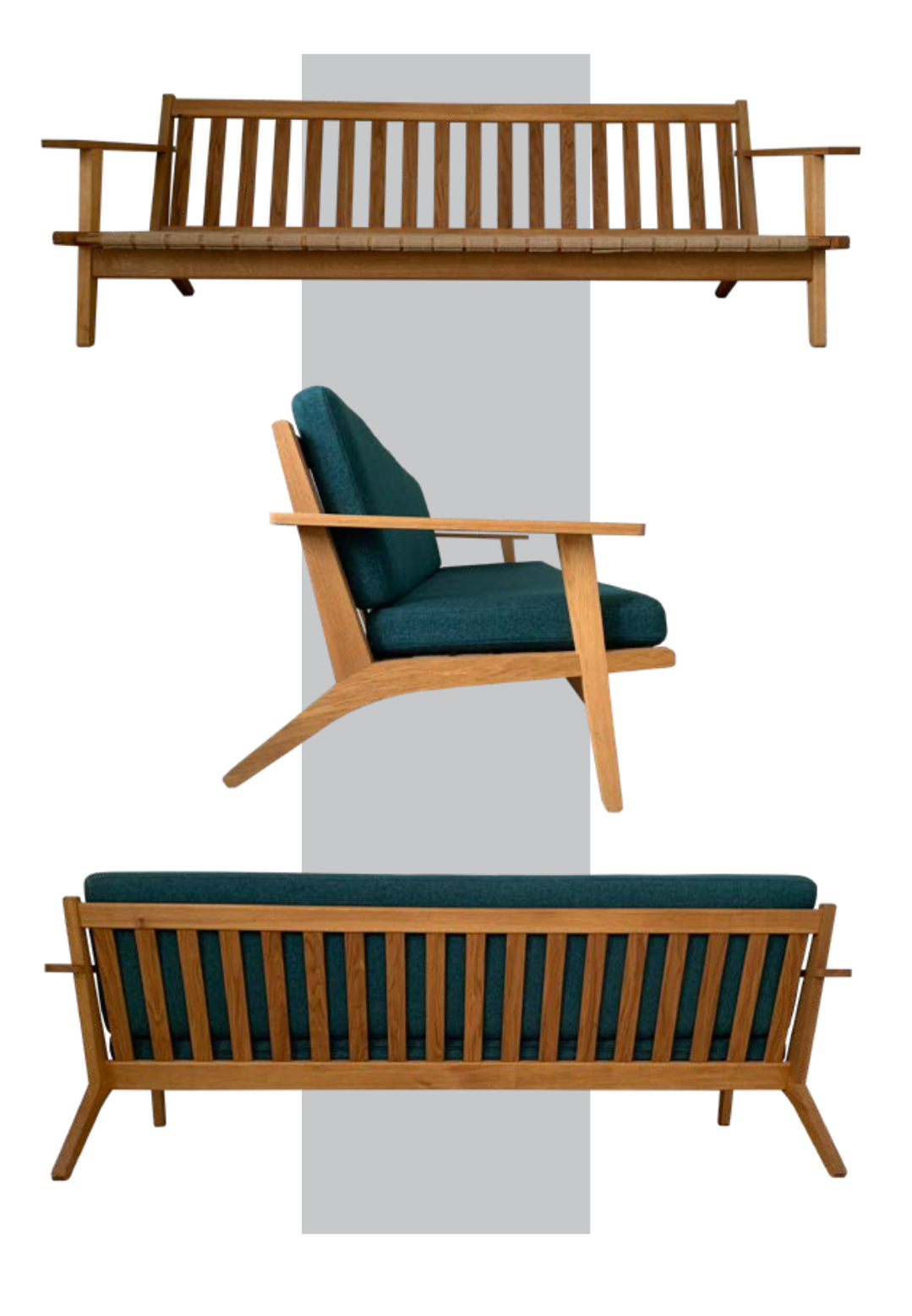
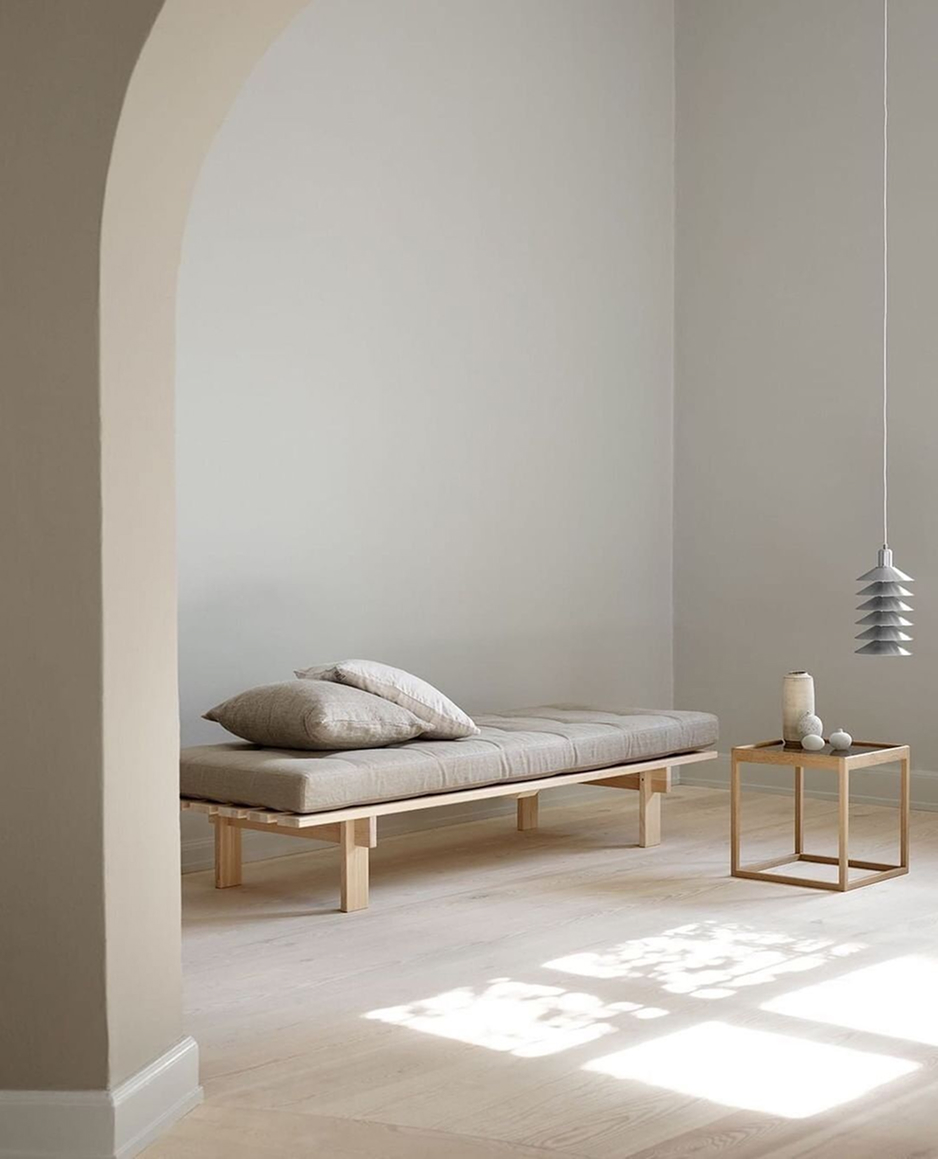
Outcome prompt
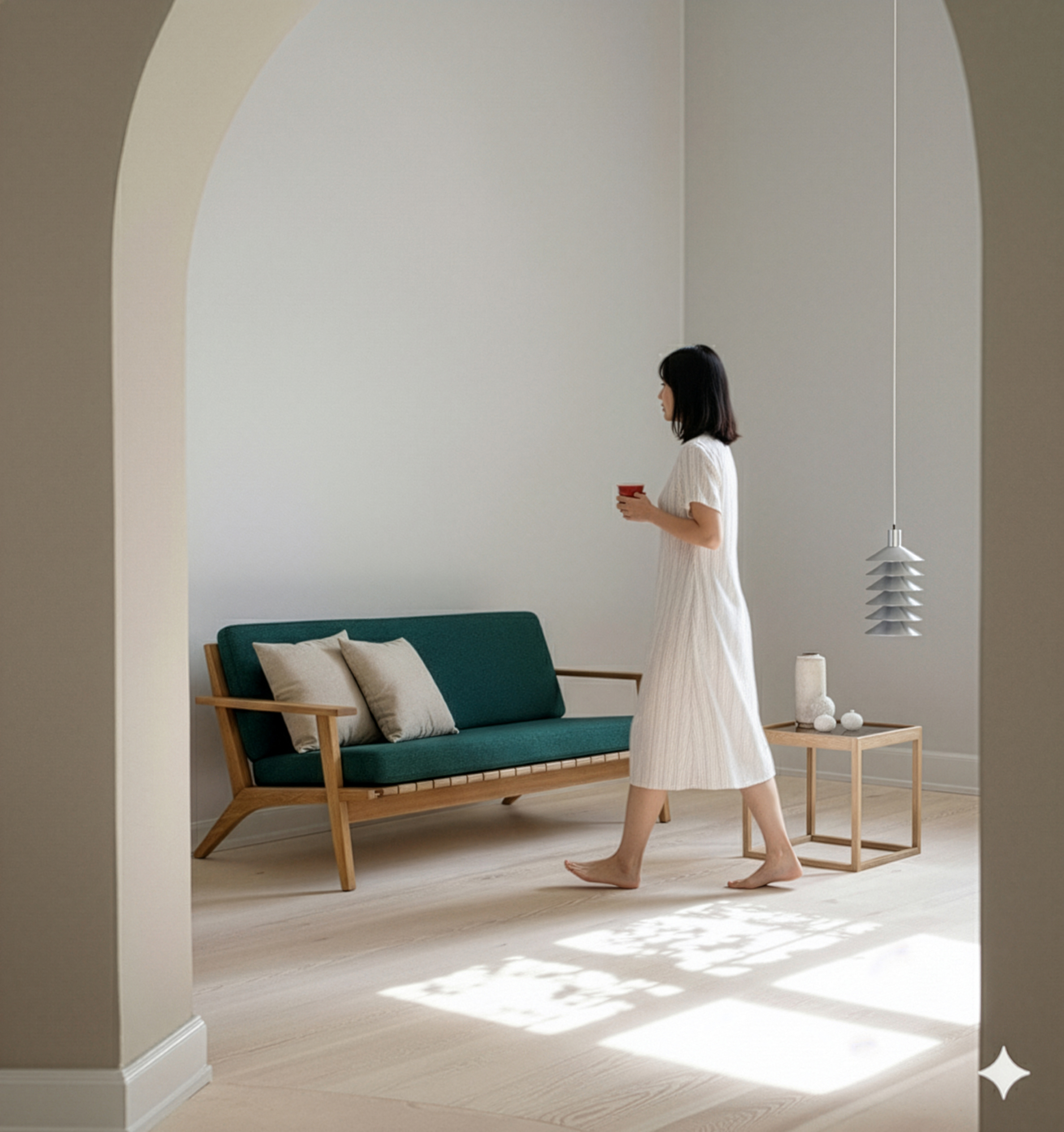
Using reference image 1 (the interior with the beige daybed), replace only the beige daybed with the green upholstered wooden-framed couch shown in reference image 2. Do not make any other changes to the interior of reference image 1. Keep the arched wall, pendant lamp, side table, pillows, vase, floor, and lighting exactly the same. Ensure the new couch is scaled and positioned naturally in the same spot as the original daybed, blending seamlessly into the scene. Preserve the original minimalist style, warm light, and calm atmosphere. Insert the lady from reference picture 3 in the picture with the green couch. dont make any other changes to the picture
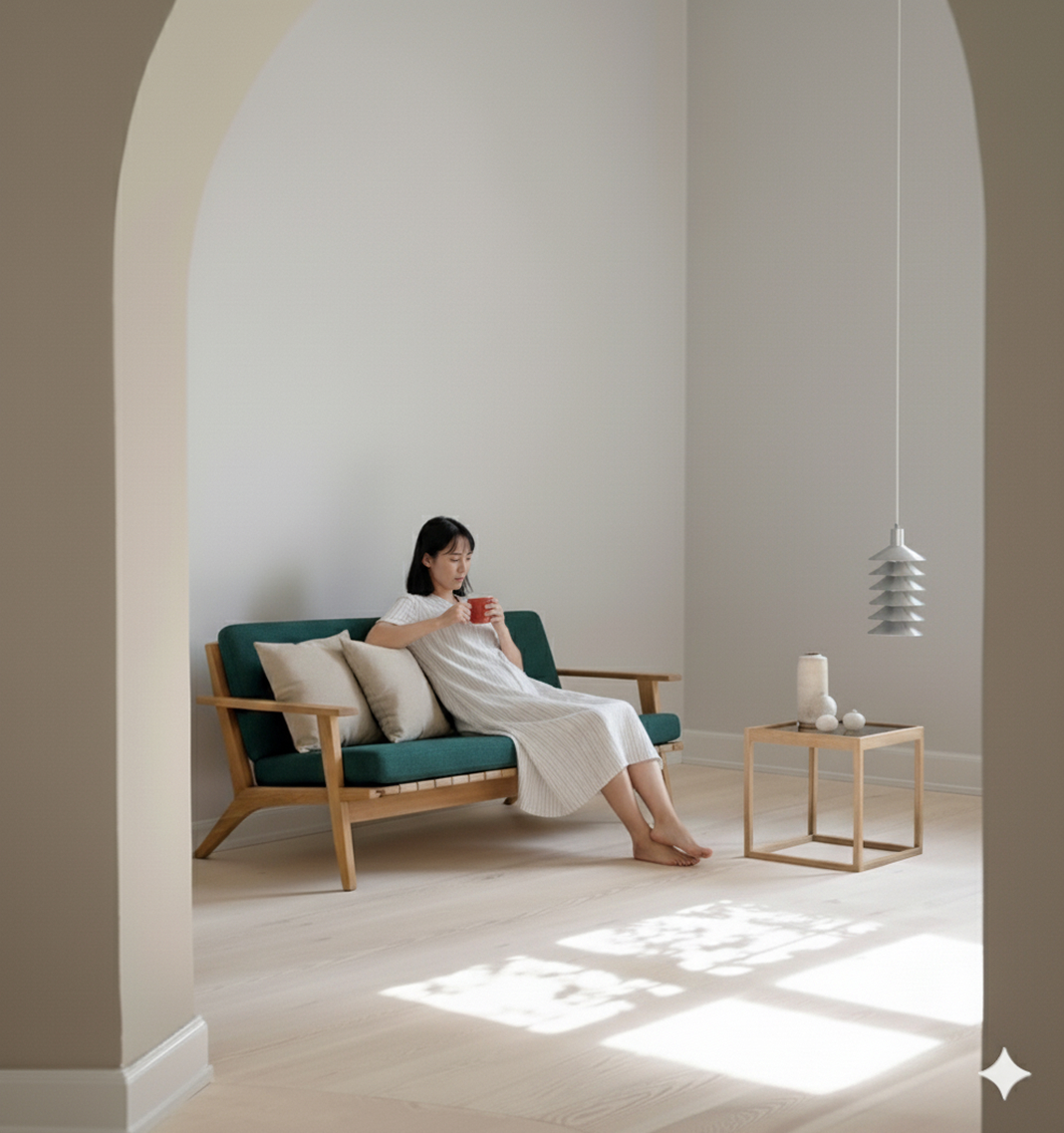
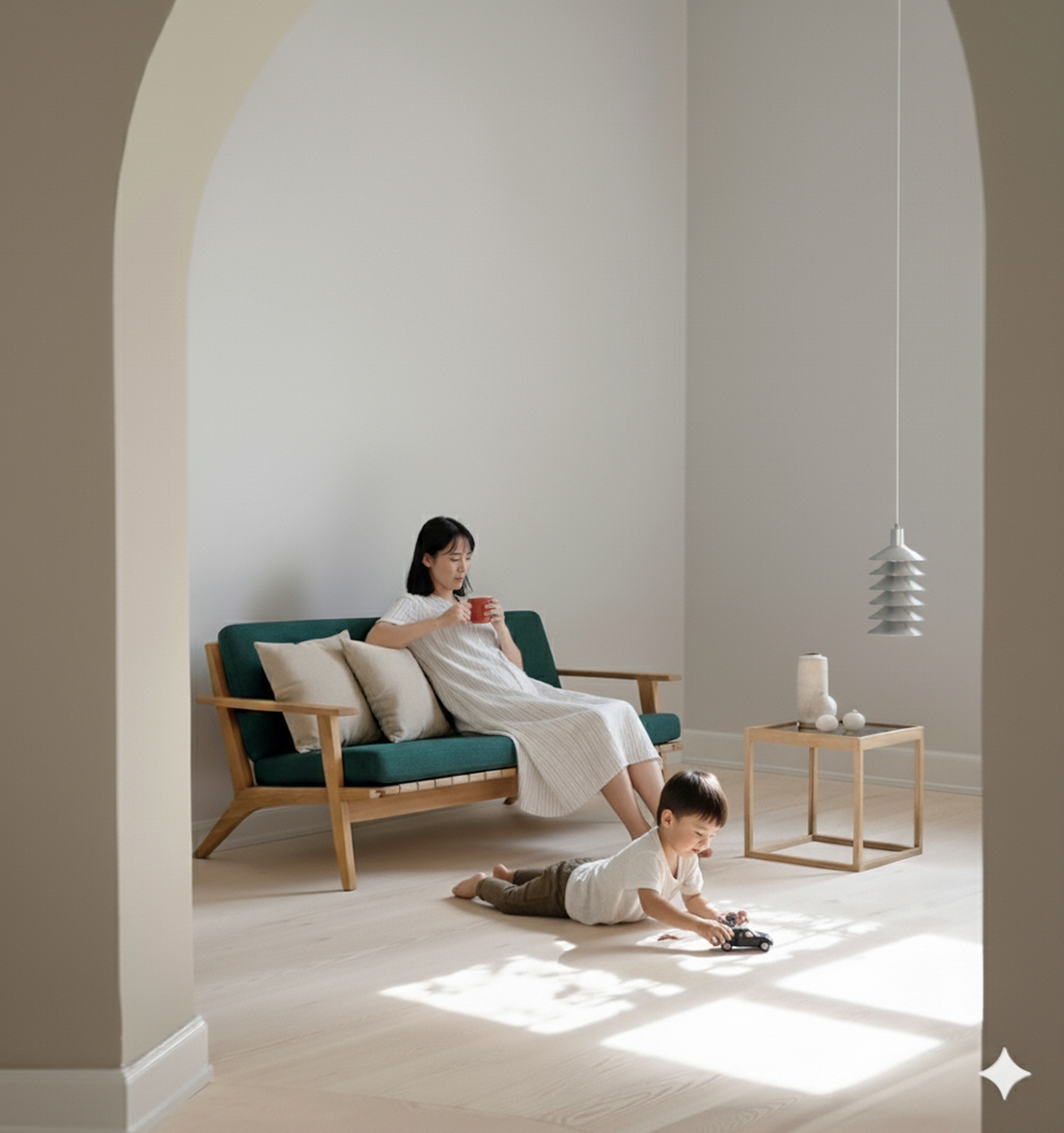
Different scenarios
WILLIAM BO ROSKÆR
As an educated furniture maker, I carry a portfolio of interior and furniture projects I’m deeply proud of. Each piece reflects both the craft of making and the philosophy of working with material, form, and function keeping traditional craftsmanship alive in a contemporary context. Looking back, however, I realise that during that chapter of my career I lacked the skills and understanding of visual communication. I also lacked the time to properly document my process, and when I did, my photos were often poor lacking consistency and even the most basic principles of photography.
I rarely managed to capture the process or to visualise the finished product in its intended setting. As a result, I often struggled to communicate the value of my work to potential clients, employers, and peers. This gap between craft and communication left much of the story untold. My objects carried meaning, but without compelling storytelling and presentation their impact was limited. It became clear to me that the quality of the craft alone is not enough it must also be translated into images, narratives, and experiences that resonate with others.
Ai Artisanship
An Ongoing Exploration - Bridging Craft and Communication
How might we leverage AI to help artisans communicate and scale the value of their work while ensuring ethical and legal integrity?
Nano Banana is a fast image generator and editor that lets you create, edit, and relight visuals with ease. It works from text prompts, existing photos, or by blending multiple images into one scene, making it ideal for quick, precise edits and visual exploration.
When using AI-generated images it remains your responsibility to respect copyright and intellectual property. Always use assets you’ve created or have rights to, AI is a creative partner, but it’s up to you to create responsibly.
NanoBanana legal and ethics
Placing an object in a scene
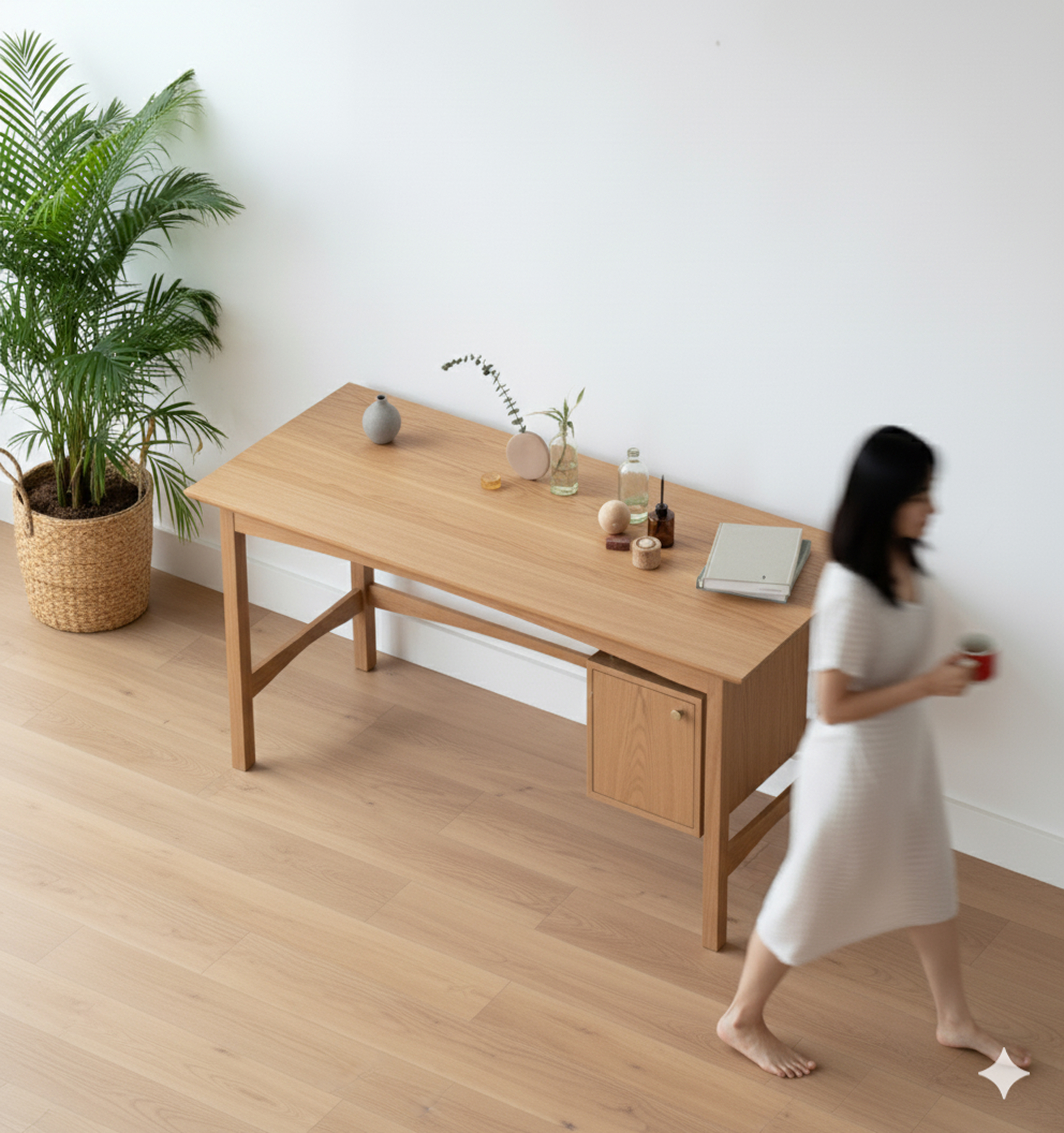
The oak desk shown on the left was a commission I built for a client in 2020.
At the time, my limited photography skills meant I never captured quality images or documented it in its intended setting. Now, I’m exploring how AI can bring new value to the project, by visualising it more clearly and communicating its story more effectively.
Reference Image 1
The interior scene
Reference Image 2
Cropped views of the original commissioned desk
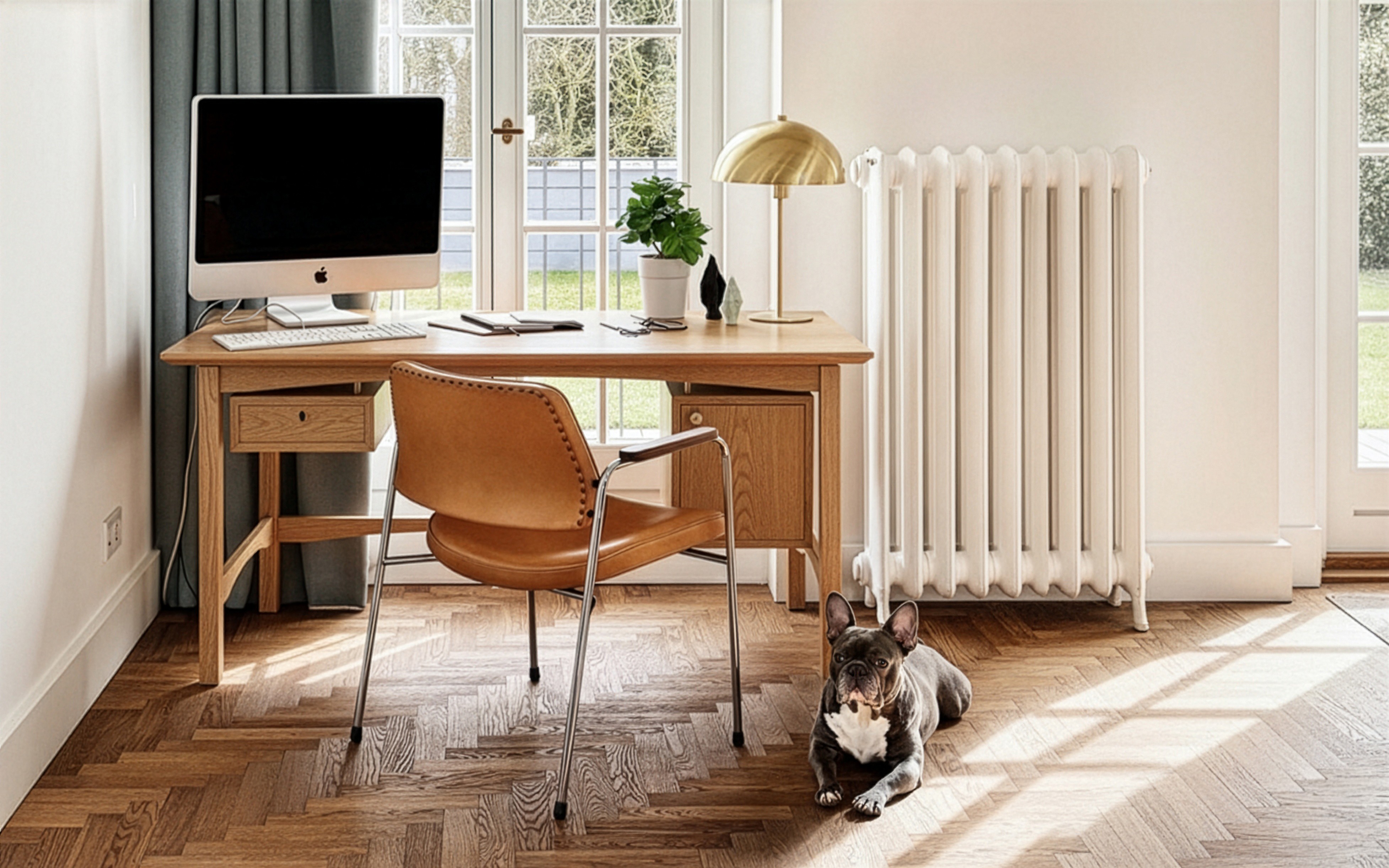
Using reference image 1 (the interior setting), change only the desk. Replace it with the desk shown in reference image 2. Keep everything else in the image exactly the same, including the chair, shelving, walls, and background. Preserve the original style, lighting, shadows,
and composition so the new desk looks naturally integrated into the scene. Ensure the proportions and perspective of the desk from reference image 2 are scaled correctly to fit seamlessly into reference image 1."
Outcome Prompt
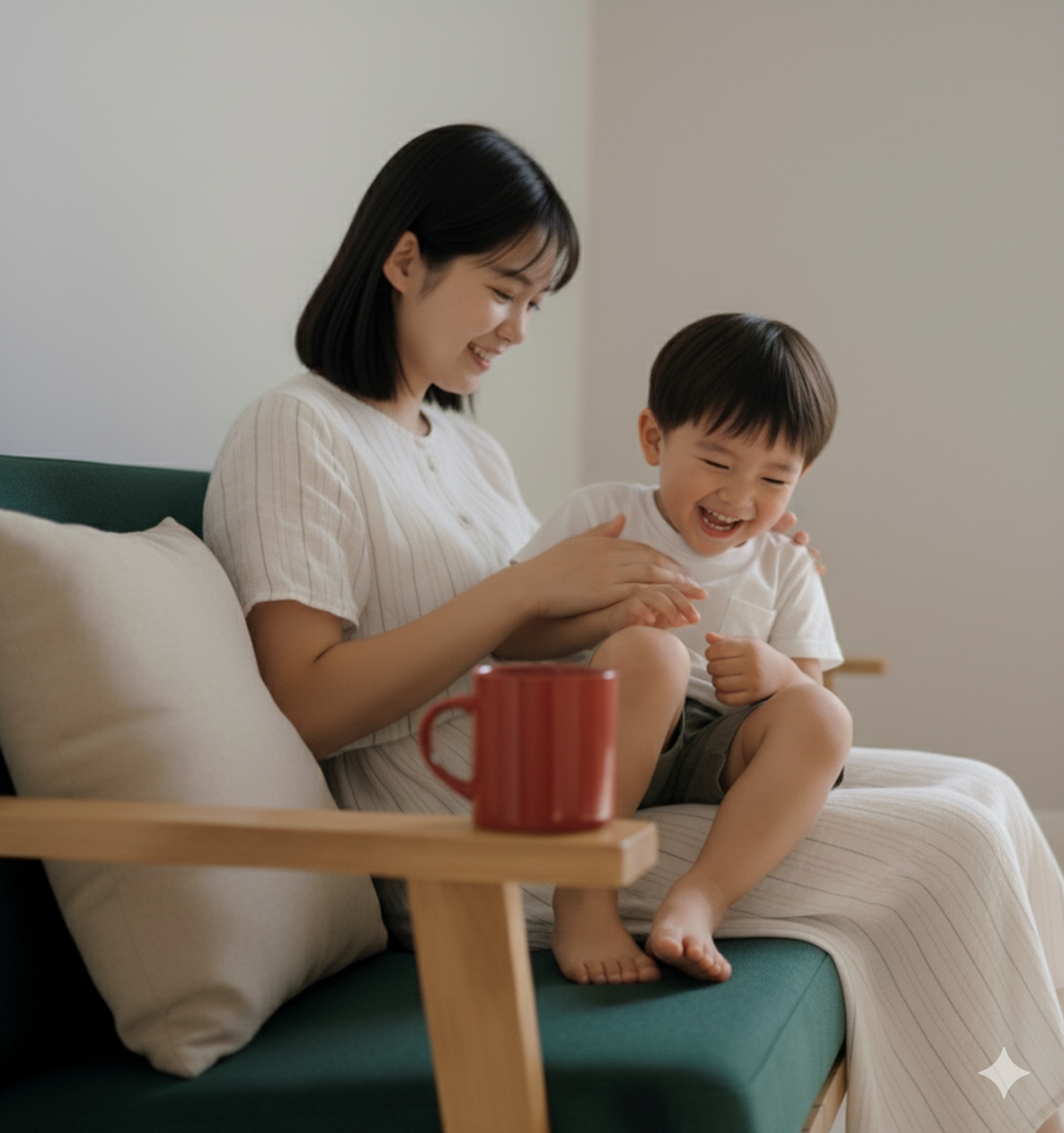
Different Perspectives
A human touch - achieving character consistency
The picture to the right shows a custom couch I designed and built for a client in 2021. How might it look in its intended setting, and could I use visuals to better communicate that story to the client as part of my
sales pitch?
Reference Image 1
The Couch
Reference Image 2
The interior scene
Reference Image 3
The Character
Using reference image 1 (the interior with the beige daybed), replace only the beige daybed with the green upholstered wooden-framed couch shown in reference image 2. Do not make any other changes to the interior of reference image 1. Keep the arched wall, pendant lamp, side table, pillows, vase, floor, and lighting exactly the same.
Ensure the new couch is scaled and positioned naturally in the same spot as the original daybed, blending seamlessly into the scene. Preserve the original minimalist style, warm light, and calm atmosphere. Insert the lady from reference picture 3 in the picture with the green couch. dont make any other changes to the picture
Outcome Prompt